
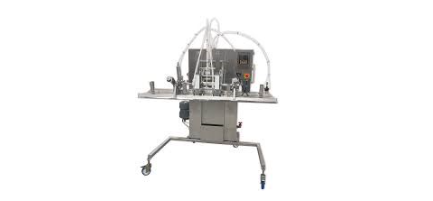
Even when settings look perfect, MAP packaging machines pause or misalign occasionally. Sensors detect minor issues, but small items slip through anyway. Modified atmosphere packaging equipment reacts to these shifts, adjusting seals or timing automatically. Operators notice subtle differences before alarms appear, often learning patterns over repeated production runs rather than from guides.
Product differences affect line performance
Food shapes, moisture content, and size all change how machines respond. MAP packaging machines struggle slightly with irregular loads. Modified atmosphere packaging equipment seals inconsistently when bags aren’t uniform. These small variations rarely stop production, but they quietly affect quality over long shifts. Staff often identify problems by feel or sound instead of screens.
Line speed influences outcomes silently
Cranking throughput seems efficient, yet tiny mistakes multiply quickly. MAP packaging machines compress, cut, or fill too fast, depending on the material behavior. Modified atmosphere packaging equipment may tear or missal bags under higher speeds. Teams often slow sections slightly to reduce minor rejects, balancing speed with consistency.
Sealing jaws and tooling matter every day
Even minor wear or misalignment changes result. MAP packaging machines rely on precise jaws for airtight seals. Modified atmosphere packaging equipment reflects small adjustments in pressure and temperature immediately. Routine inspection and occasional fine-tuning prevent minor defects from repeating and reduce wasted product.
Maintenance sneaks into daily production
Dust, food residue, and lubricant buildup affect the operation quietly. MAP packaging machines stop slightly more often when the sensors cloud or the moving parts get stuck. Modified atmosphere packaging equipment shows minor inconsistencies before full failure occurs. Regular cleaning and scheduled inspections prevent these small issues from compounding over time.
Operators influence performance subtly
Two teams can run the same line very differently. MAP packaging machines react instantly to minor changes, while modified atmosphere packaging equipment reflects operator observation and restraint. Experienced staff notice rhythm changes early, which prevents bigger problems. Learning these cues takes weeks of hands-on experience.
Integration exposes timing weaknesses
Conveyors, feeders, and labeling systems must stay synchronized. MAP packaging machines pause appropriately when upstream timing drifts. Modified atmosphere packaging equipment may jam slightly if the signals misalign. Engineers tweak sensors and software repeatedly. Solutions usually work, but ongoing observation is required for smooth operation.
Material choice affects results daily
Bag thickness, flexibility, and barrier quality make a subtle difference. MAP packaging machines handle some films better than others. Modified atmosphere packaging equipment seals more reliably with consistent materials. Small differences compound during long shifts, creating leaks or weak seals that aren’t immediately obvious.
Conclusion
MAP packaging machines and modified atmosphere packaging equipment quietly depend on material, speed, maintenance, and operator habits. Minor variations in product, bag quality, or line timing affect seal integrity and consistency. Understanding real-world behavior reduces defects and improves workflow efficiency. Automation improves productivity, but human observation remains essential. If your facility is reviewing packaging solutions or optimizing an existing MAP line, consulting an experienced food packaging automation professional ensures smoother operation. Evaluating products, materials, and workflow carefully improves long-term consistency and reliability.