
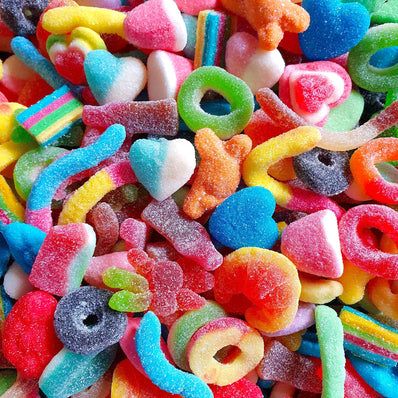
Among the first characteristics that consumers look at when deciding on their confectionery purchase is color. Attractive colors and colors that stay the same, but today, at least, the market requires transparency about the ingredients and clean-label formulations. This has stimulated manufacturers to use Natural Candy Color solutions with the same visual effect as synthetic dyes and to support the evolving consumer preferences. Pick the right candy color by looking at how well it holds up, how your plant works, and if it stays bright in stores. This keeps every big batch looking just right.
Why Color Matters Most
Shade means a lot for candy. It builds the look of the treat and tells buyers what to expect before they take a bite. Color is an important ingredient in the production of many candy varieties, from hard candy to gummies, jelly sweets to chewy candy; manufacturers use color to distinguish their products from the competition on store shelves.
Natural Candy Color offers natural options for achieving colorful hues. These ingredients facilitate a clean label product development process and enable brands to meet the increased demand for naturally formulated food products. When creating products, product developers need to consider appearance and technical performance to make sure the products can be produced reliably.
Meeting Manufacturing Requirements
Choosing the right candy food coloring will require more than just picking a desired color. Natural colors may be affected by various stages of the confectionery production process, including heating, mixing, molding, cooling and packaging.
Manufacturers assess the stability of ingredients to ensure that the color is consistent throughout the process. The final appearance of finished products is a function of moisture, cooking temperatures and storage conditions. If products are formulated correctly and tested properly, manufacturers can rest assured that their products are consistent and can avoid unnecessary production adjustments.
Choosing Reliable Ingredients
The quality of the ingredients is directly related to the efficiency of production and the appearance of the product. Before entering into long-term purchasing contracts with suppliers, procurement teams should check the manufacturing standards and practices, quality control measures, food safety certifications and consistency of the production process.
Reliable suppliers can offer technical assistance to assist product development in choosing the right Natural Candy Color solution for various confectionery applications. Their knowledge can help in formulation, help speed the development of new products and increase manufacturing efficiency in several product lines. Uniform quality of ingredients also ensures the evenness of the color of the product, thus contributing to customer confidence and brand reputation.
Supporting Product Innovation
Consumers are still the impetus for innovation in the confectionery sector. Consumers want tasty, textured foods, and manufacturers are finding ways to make great-tasting foods more appealing and have less of the word “refined” on the ingredient list.
The use of natural colors has been improved over the years, resulting in more colors that can be used in confections. Today, product developers can design candy that is technically adequate and is in step with current fashions. Keeping abreast of the new ingredients will ensure businesses can make innovative products without compromising on manufacturing consistency.
Planning For Long-Term Success
Quality ingredients are not the only thing that is necessary to be successful in confectionery manufacturing. Long-term product quality can be achieved through the development of good supplier relationships, the consistency of production processes and regular performance assessments of ingredients.
Partnering with knowledgeable suppliers enables manufacturers to be flexible in meeting both regulatory shifts and consumer trends and developing new products. Stable supply for production should also be provided from reliable ingredient partnerships, as well as throughout the production process. A well-thought-out sourcing policy will help to build a more robust base for further expansion in the increasingly competitive confectionery segment.
Conclusion
Selecting the appropriate Natural Candy Color solution depends on the quality of the ingredients, production performance and the skills of the supplier. Foodrgb.com can also be a source of information for manufacturers interested in finding out more about using natural ingredients in food applications, and in commercial food manufacturing. Using trusted candy food coloring and collaborating with trusted suppliers allows businesses to produce candy that looks good, while also helping them innovate for a “clean label” and ensure quality consistency from batch to batch.