
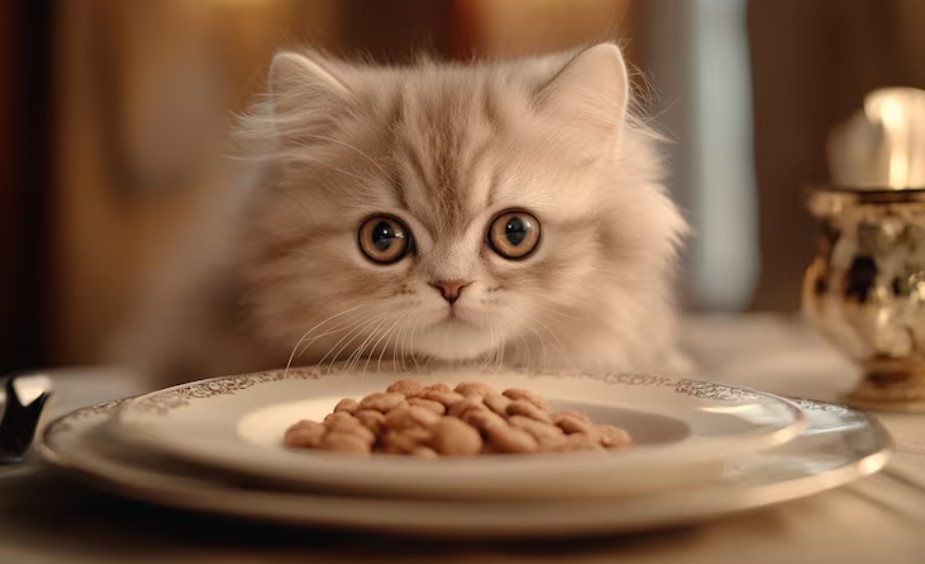
A tiny kitten can make almost any snack look irresistible. But when you are choosing the best treats for kittens, taste should not be the only thing you consider. Kittens are growing quickly, so their main diet needs to provide the right balance of calories, protein, vitamins, minerals, and other nutrients.
That does not mean treats are off the menu. With the right choices and portions, treats can be useful for bonding, training, handling practice, and rewarding good behavior.
The key is to choose treats that suit a kitten’s age and size and keep them as a small part of the overall diet. Many treats made for adult cats are not designed for growing kittens. Purina also recommends waiting until a kitten is at least eight weeks old and fully transitioned to kitten food before introducing treats. It advises keeping treat calories to no more than 10% of a kitten’s daily calorie intake.
So, what should you actually look for? Let’s break it down.
What Makes the Best Treats for Kittens?
The best treats for kittens are small, easy to chew, appropriate for their age, and simple to portion.
Unlike a complete kitten food, treats are usually not designed to provide all the nutrients a growing kitten needs. AAFCO notes that treats are generally intended as supplemental foods rather than complete and balanced diets.
When shopping, look for these features:
-
Small pieces that are easy for a kitten to manage
-
A calorie count that makes portion control simple
-
Ingredients you recognize
-
A texture suitable for your kitten’s age
-
Products specifically labeled for kittens when available
-
Clear feeding directions
-
A reputable manufacturer with transparent labeling
Remember, a long ingredient list does not automatically make a treat unhealthy. What matters is the overall diet, portion size, nutritional value, and how the product fits into your kitten’s daily feeding routine.
Start With the Kitten Food, Not the Treat Jar
This is one of the most important rules for new kitten owners.
Your kitten’s primary food should do the heavy nutritional work. AAFCO recommends selecting pet food based on species, life stage, and nutritional adequacy. Growing kittens have different nutritional needs from adult cats.
Look for kitten food labeled as complete and balanced for growth or an appropriate life stage.
Many established kitten food brands formulate their diets specifically for growth. For example, Hill’s says its kitten foods are designed to provide complete and balanced nutrition for growing kittens and highlights nutrients such as DHA, vitamins, minerals, and fatty acids.
Purina Pro Plan’s kitten formula is another example of a food designed around kitten development. Its current formula provides DHA and other nutrients intended to support development, along with appropriately sized kibble.
The lesson is simple: kitten food should be the foundation, while treats are the bonus.
6 Types of Healthy Kitten Treats to Consider
There is no single treat that is perfect for every kitten. Your kitten’s age, chewing ability, preferences, and overall diet should guide your choice.
1. Small Soft Treats
Soft treats can be a practical choice for young kittens that are still getting comfortable with different textures.
Look for small pieces that can be easily broken into even smaller portions. This is especially useful during training because you can reward your kitten several times without giving a large amount of food.
Soft treats may also work well when teaching a kitten to accept gentle handling, such as touching the paws, checking the ears, or sitting calmly during grooming.
2. Kitten-Specific Training Treats
Training treats are useful when you want to reinforce behaviors without turning every lesson into a large meal.
Choose tiny treats or break larger ones into small pieces. A kitten does not need a big snack to understand that something good just happened.
For example, you might reward your kitten for:
-
Coming when called
-
Using the scratching post
-
Entering the carrier
-
Sitting calmly
-
Allowing gentle brushing
-
Playing appropriately
Keep training sessions short and positive.
3. Freeze-Dried Meat Treats
Simple freeze-dried meat treats can be appealing to kittens because of their strong aroma and meaty flavor.
If you choose this type, check the package carefully. Some products are intended for adult cats, while others are marketed for multiple life stages.
The treat should also be appropriately sized. A large, hard piece may not be suitable for a small kitten.
You can often break a larger freeze-dried piece into tiny portions. This makes one treat last through several training sessions.
4. Lickable Treats
Lickable treats can be useful for kittens that prefer soft textures.
They can also be helpful for building positive associations with handling. For example, you can offer a small amount while gently brushing your kitten or introducing a new grooming routine.
Purina currently offers several lickable cat treat products, including Friskies Lil’ Lickables. However, owners should still check the individual package for age suitability and feeding guidance rather than assuming that every cat treat is appropriate for kittens.
5. Kibble Used as a Treat
This option is easy to overlook.
If your kitten already enjoys its complete and balanced kitten food, you can set aside a small portion of its normal daily kibble and use those pieces as rewards.
This can make portion control easier because you are not automatically adding a separate food to the diet.
It also works well for basic training. Call your kitten, reward the response, and continue the routine.
6. Small Portions of Appropriate Wet Food
A spoonful of your kitten’s regular wet food can sometimes work as a reward too.
This can be particularly useful for kittens that are not interested in crunchy treats.
Instead of giving an extra serving, simply account for the amount as part of the kitten’s daily food intake. That keeps the reward from quietly turning into extra calories.
Why Adult Cat Treats May Not Be the Best Choice
This is where many new kitten owners get caught.
A treat can be perfectly acceptable for an adult cat and still be a poor choice for a young kitten.
For example, Purina’s Friskies Party Mix Original Crunch is labeled as complete and balanced for adult cats, despite containing fewer than two calories per treat. That adult life-stage labeling means you should not automatically treat it as a kitten product.
Size is another concern.
Kittens have tiny mouths and developing teeth. Purina specifically notes that many standard cat treats are not designed with kittens in mind and that their size can create a choking concern.
Before buying, ask:
Is this treat designed for my kitten’s age and size?
If the answer is unclear, choose another product or ask your veterinarian.
How Many Treats Should a Kitten Get?
There is no universal number of treats that works for every kitten.
The amount depends on the kitten’s age, size, activity level, daily calorie needs, and the calorie content of the treat.
A useful general rule is to keep treats to 10% or less of daily calorie intake. Purina recommends this limit for kittens that are old enough and ready for treats.
For example, if your kitten’s daily calorie allowance is 200 calories, no more than about 20 calories should come from treats.
That does not mean you should try to reach the 10% limit every day. Treats are optional. Using fewer is perfectly fine.
AAFCO also warns that excessive treats can add unnecessary calories and interfere with an otherwise complete and balanced diet.
How to Read a Kitten Treat Label
You do not need a nutrition degree to compare treats.
Start with these five things.
Check the Life Stage
Look for wording that indicates the product is suitable for kittens or growth.
If a product is specifically labeled for adult maintenance, do not assume it is appropriate for a growing kitten.
Check Calories
The calorie statement tells you how much energy the product provides. AAFCO notes that calorie content is generally expressed in familiar units such as calories per treat or biscuit when applicable.
Lower-calorie treats can make portion control easier.
Check the Ingredients
Ingredients are listed from highest to lowest weight. The first few ingredients therefore tell you a lot about the main components of the product.
Do not reject a product simply because you see an unfamiliar ingredient. Vitamins, minerals, preservatives, and other functional ingredients can have legitimate purposes.
Look at the Texture
A tiny kitten may handle a soft treat better than a large, hard crunchy piece.
As your kitten grows and its chewing ability develops, you can reassess the texture.
Follow the Feeding Directions
Treat feeding instructions are useful, but your kitten’s total diet matters more.
If you give several treats during training, remember to account for those calories.
A Simple Kitten Treat Routine
Want to avoid overfeeding while still giving your kitten plenty of positive experiences?
Try this routine:
Morning: Set aside a few pieces of the kitten’s normal food for training.
Afternoon: Give one or two tiny treats during play or handling practice.
Evening: Use a small reward when your kitten comes when called or enters its carrier.
This approach turns treats into a training tool instead of an all-day snack.
And here is a question worth asking yourself: Does your kitten really need another treat, or is a few minutes of play what it wants?
Often, a toy, gentle attention, or a favorite game is just as rewarding.
What About Dental and Teething Treats?
Kittens begin losing their baby teeth as their adult teeth develop. Purina notes that the kitten teething period generally starts around three to four months and continues until roughly six months.
That can make chewing behavior more noticeable.
Some products are marketed specifically for teething or dental care. However, do not assume that every dental treat is suitable for a young kitten.
Check the recommended age and size before offering one. If your kitten seems to have significant mouth pain, difficulty eating, bleeding, or other dental problems, talk with a veterinarian rather than trying to solve the issue with treats.
Common Kitten Treat Mistakes to Avoid
Even well-meaning owners can overdo treats.
Avoid these common mistakes:
-
Giving treats to a kitten that is too young. Wait until the kitten is old enough and fully transitioned to appropriate solid kitten food.
-
Using adult-only treats. Check the life-stage information before buying.
-
Ignoring calories. Tiny treats still add up when given frequently.
-
Replacing kitten food with treats. Treats should not become the main diet.
-
Giving large pieces. Choose a size your kitten can safely manage.
-
Changing treats too quickly. Introduce new foods gradually and watch for digestive upset.
-
Assuming expensive means better. A higher price does not automatically make a treat healthier.
How Top Kitten Food Brands Can Help You Choose
Looking at established kitten food brands can give you a useful starting point because these companies often provide detailed information about life stages, ingredients, feeding amounts, and nutritional goals.
Hill’s, Purina, and other major manufacturers publish kitten nutrition information that can help owners understand what growing cats need. Hill’s, for example, highlights complete and balanced kitten nutrition along with DHA and other nutrients associated with development.
But brand reputation should not replace label checking.
A company may sell excellent kitten food while also selling treats intended only for adult cats. The individual product matters.
That is why the best approach is:
Choose the right kitten food first. Then select treats that fit your kitten’s age, size, calorie needs, and diet.
Frequently Asked Questions
Can kittens have treats?
Yes. Once a kitten is old enough and fully transitioned to kitten food, treats can be introduced in small amounts. Purina recommends keeping treat calories to no more than 10% of daily calorie intake.
What are the best treats for kittens?
The best treats for kittens are small, easy to chew, calorie-conscious, and appropriate for the kitten’s age and size. Kitten-specific treats are preferable when available.
Can kittens eat adult cat treats?
Some adult cat treats may not be appropriate for kittens. Check the label for life-stage information, calorie content, and recommended size. Some products are explicitly formulated for adult cats.
Can I use kitten food as treats?
Yes. Setting aside a small portion of your kitten’s regular food and using it for training can be a simple way to reward behavior without adding a completely separate food.
How often should I give my kitten treats?
Treats do not need to be given every day. When you do use them, keep portions small and include their calories in your kitten’s overall daily intake.
Give Your Kitten Treats With a Purpose
Finding the best treats for kittens is less about buying the fanciest bag and more about making smart choices.
Start with a complete and balanced kitten diet. Choose treats that match your kitten’s age and size. Check the calories, read the label, and keep portions small.
Most importantly, use treats for a reason. Reward good behavior, make handling easier, build positive associations, or simply share a small moment together.
Before your next shopping trip, check the treats you already have at home. Look at the life-stage recommendation and calories per piece. If the product is designed for adult cats, replace it with a kitten-appropriate option or use a few pieces of your kitten’s regular food as rewards.
Your kitten does not need a huge pile of treats. A tiny reward, given at the right moment, can go a surprisingly long way.
Editorial note: Product formulas, labels, feeding recommendations, and availability can change. Always verify the current package information before publishing product-specific claims or recommending a particular treat. For kittens with medical, digestive, or nutritional concerns, consult a veterinarian.